


An Adaptable and Sustainable Plant
Scientifically referred to as Sapindus mukorossi or Sapindus trifoliatus, soap nut trees are interesting plants that yield soap berries, which have been utilized as a natural cleanser for generations. This post will examine the locations of these amazing trees, their perfect growth environments, and the advantages they offer.
Introduction to Soap Nut Trees
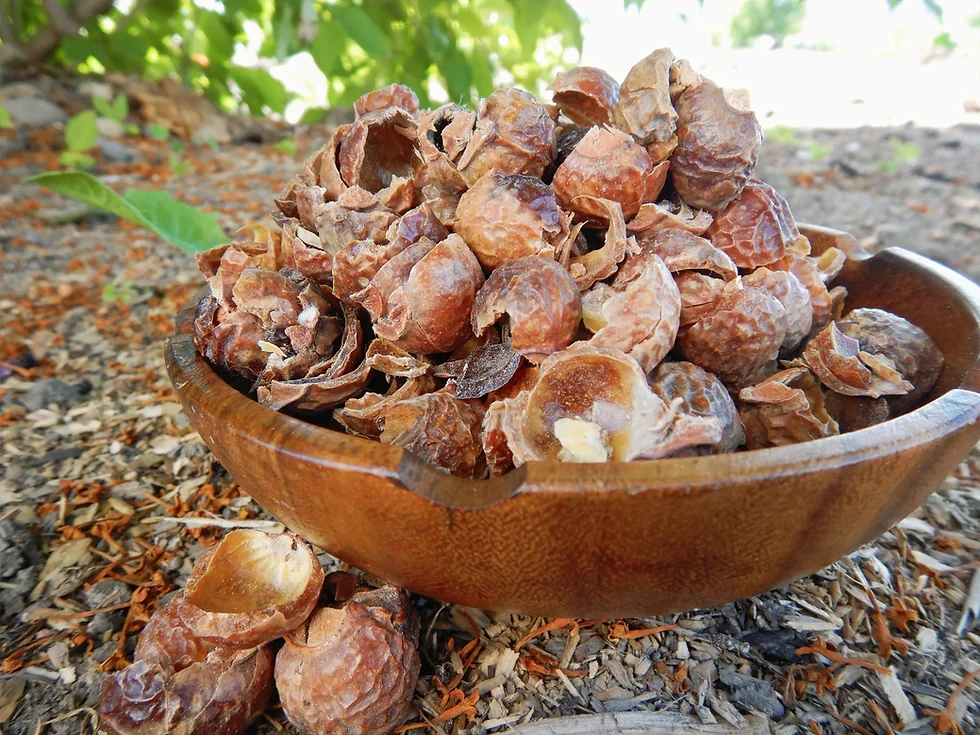
Soap nut trees belong to the Sapindaceae family and are primarily known for their fruits, soap berries. These berries contain saponin, a natural surfactant that creates a soapy lather when mixed with water. This unique characteristic has made soap berries a popular choice for eco-friendly cleaning solutions. But to truly appreciate these trees and their fruits, it is essential to understand their native habitats and optimal growing conditions.
Native Regions of Soap Nut Trees
Asia: The Primary Habitat
Soap nut trees are predominantly found in Asia, with the largest concentrations in the Indian subcontinent. They grow abundantly in countries such as India, Nepal, Bhutan, and Pakistan. These regions provide the perfect climate and soil conditions for the growth of soap nut trees.
India: The Heartland of Soap Nut Trees
India is considered the heartland of soap nut trees, particularly the northern regions such as Uttarakhand, Himachal Pradesh, and the lower Himalayas. The Indian climate, characterized by hot summers and moderate to heavy rainfall, creates an ideal environment for these trees. The rich, well-drained soils of these areas further enhance the growth of soap nut trees.
Nepal: High Altitude Growth
In Nepal, soap nut trees are commonly found in the mid-hill regions at altitudes ranging from 1,000 to 3,500 meters. The temperate climate and well-drained, fertile soils of these regions support the robust growth of these trees. The fruits harvested in Nepal are often considered of high quality due to the favorable growing conditions.
Other Asian Regions
Besides India and Nepal, soap nut trees also grow in other parts of Asia, including China, Japan, and Indonesia. Each of these regions provides unique conditions that contribute to the growth and productivity of soap nut trees.
Climate and Soil Requirements
Climate Preferences
Soap nut trees thrive in tropical and subtropical climates. They prefer temperatures ranging from 25°C to 35°C (77°F to 95°F) and require a significant amount of sunlight to grow optimally. These trees are also quite hardy and can withstand occasional temperature drops but do not fare well in freezing conditions.
Rainfall and Humidity
Adequate rainfall is crucial for the healthy growth of soap nut trees. They flourish in regions that receive annual rainfall between 1,000 and 2,000 millimeters. High humidity levels also support the growth and fruiting of these trees, as they help maintain the necessary moisture in the soil and atmosphere.
Soil Characteristics
Soap nut trees prefer well-drained, loamy soils rich in organic matter. The soil pH should ideally range from 6.5 to 7.5. While these trees can tolerate a variety of soil types, including sandy and clayey soils, they perform best in fertile soils that provide ample nutrients for growth.
Global Distribution and Cultivation
Cultivation in Other Continents
While soap nut trees are native to Asia, they have been successfully cultivated in other continents as well. Their adaptability to different climates and soils has enabled them to grow in regions outside their native range.
Africa: Expanding Habitats
In Africa, soap nut trees are being cultivated in countries like Kenya, Ethiopia, and South Africa. The tropical and subtropical climates of these regions, coupled with adequate rainfall, make them suitable for the growth of soap nut trees. African farmers have begun to recognize the economic and environmental benefits of cultivating these trees.
North and South America: Growing Interest
In North and South America, there is growing interest in cultivating soap nut trees, especially in regions with suitable climates such as the southern United States, Mexico, and Brazil. The adaptability of soap nut trees to different soil types and climatic conditions makes them a viable option for sustainable agriculture in these areas.

Challenges and Opportunities
Climate Change and Adaptation
Climate change poses a significant challenge to the cultivation of soap nut trees. Changes in temperature, rainfall patterns, and the frequency of extreme weather events can affect the growth and productivity of these trees. However, the adaptability of soap nut trees offers opportunities to develop resilient cultivation practices that can withstand these changes.
Sustainable Agriculture and Economic Benefits
Cultivating soap nut trees offers numerous economic benefits, particularly for smallholder farmers. The demand for natural and eco-friendly products is on the rise, providing a lucrative market for soap berries. Additionally, these trees contribute to sustainable agriculture by improving soil health and reducing the need for chemical fertilizers and pesticides.
Uses and Benefits of Soap Berries
Natural Detergent
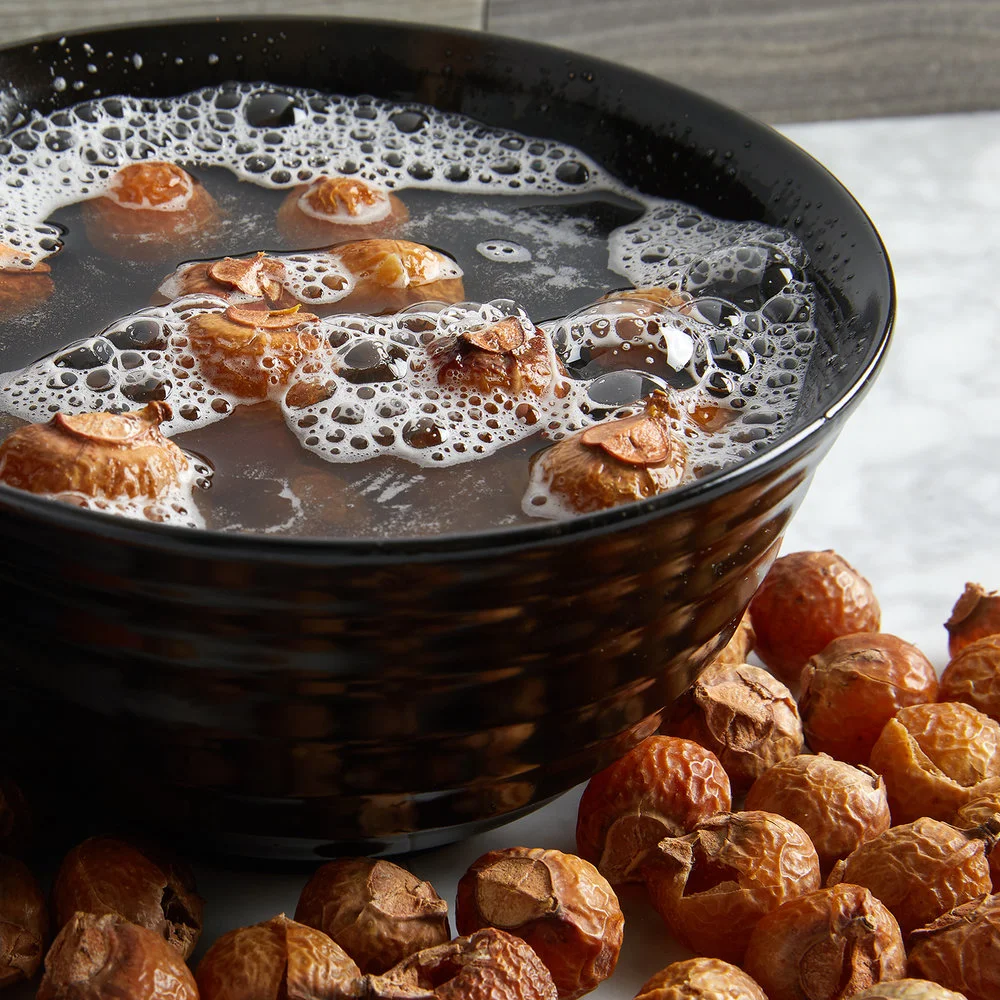
Soap berries are primarily known for their use as a natural detergent. The saponin in the berries acts as a surfactant, breaking down grease and grime, making them an excellent alternative to synthetic detergents. Soap berries are gentle on fabrics and skin, making them ideal for people with sensitive skin and allergies.
Eco-Friendly Cleaning Solutions
Beyond laundry, soap berries can be used to create a variety of eco-friendly cleaning solutions. They can be used to make liquid soap, shampoo, and household cleaners. The biodegradability of soap berries ensures that they do not contribute to environmental pollution, making them a sustainable choice for green living.
Medicinal and Cosmetic Applications
Soap berries have been used in traditional medicine for their anti-inflammatory, antimicrobial, and antifungal properties. They are also used in cosmetics for their gentle cleansing and moisturizing effects on the skin and hair. Soap berry extracts are often found in shampoos, conditioners, and facial cleansers.
Cultivating Soap Nut Trees: Tips for Growers
Selecting the Right Location
When cultivating soap nut trees, it is essential to choose a location that receives ample sunlight and has well-drained soil. Avoid areas prone to waterlogging, as excessive moisture can harm the roots and affect the growth of the trees.
Planting and Maintenance
Planting
Soap nut trees can be propagated from seeds or seedlings. The seeds should be soaked in water for 24 hours before planting to enhance germination. Plant the seeds in well-prepared soil at a depth of about 2 to 3 centimeters, ensuring they are spaced adequately to allow for future growth.
Watering and Fertilization
Young soap nut trees require regular watering, especially during dry periods. However, it is crucial to avoid overwatering, as this can lead to root rot. Applying organic compost or well-rotted manure can provide essential nutrients and promote healthy growth.
Pruning and Pest Management
Pruning helps maintain the shape and health of soap nut trees. Remove dead or diseased branches to prevent the spread of infections. Regularly inspect the trees for pests such as aphids and caterpillars, and use organic pest control methods to manage infestations.
Harvesting and Processing
Harvesting
Soap berries are typically harvested in the autumn when the fruits turn from green to a golden-brown color. Gently shake the branches or use a ladder to reach the higher fruits. Collect the fallen berries and remove any debris or damaged fruits.
Drying and Storage
After harvesting, soap berries should be thoroughly dried to prevent mold and extend their shelf life. Spread the berries in a single layer on a clean, dry surface and allow them to air dry for several days. Once dried, store the soap berries in airtight containers in a cool, dry place.
Solutions for a Greener Future
With their adaptable and environmentally beneficial soap berries, soap nut trees provide a plethora of advantages for sustainable living. Asia is the main home of these trees, which flourish in tropical and subtropical climes. But because of their flexibility, they have expanded to other continents and are still beneficial to the ecology and economy there. We can guarantee the continuous development and use of these amazing trees and help create a cleaner, greener future by knowing the best growing environments and cultivation techniques.
