
A Dive into Tradition and Culture
Strongly recommended in traditional medicine, shilajit is a natural ingredient that has become increasingly popular due to its many health advantages. However, from what source does this amazing material originate? We will delve into the history of Himalayan Shilajit in this extensive piece, paying special attention to the Himalayan variety, how it is extracted, and its cultural importance.
What is Shilajit?
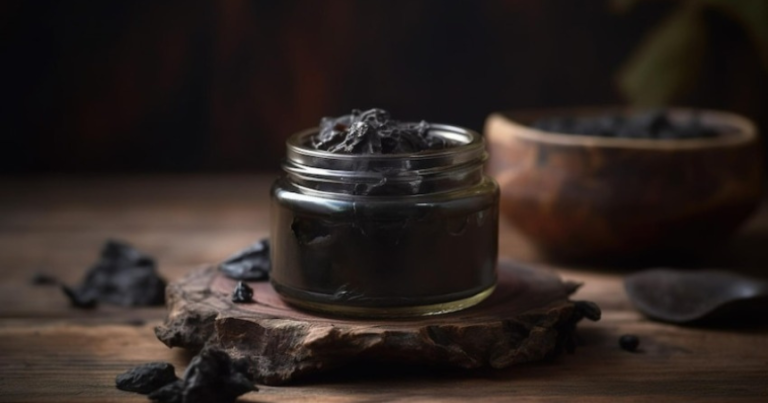
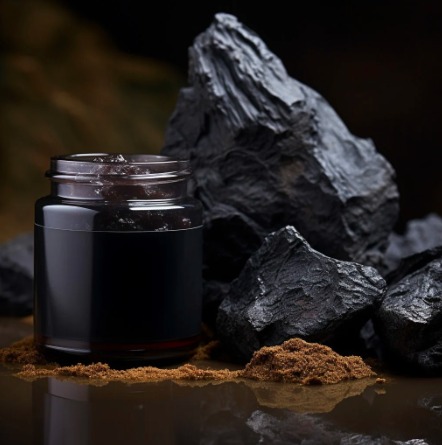
Shilajit is a sticky, tar-like substance that oozes from the rocks in high mountain ranges. It is formed over centuries from the slow decomposition of plant matter, which is then compressed by layers of rock. This natural process infuses Shilajit with a rich concentration of minerals, fulvic acid, and other organic compounds, making it a highly sought-after natural remedy.
The Historical Significance of Shilajit
Shilajit has been used for thousands of years in Ayurvedic medicine and other traditional healing systems. Ancient texts and manuscripts describe it as a rejuvenating elixir, capable of enhancing physical strength, mental clarity, and overall vitality. Its use has been documented in various cultures across Asia, particularly in regions where it is naturally found.

Geographical Origins of Shilajit
The Most Valuable Difference
Himalayan Shilajit is considered the purest and most potent form of this natural substance. It is sourced from the lofty peaks of the Himalayas, where the unique climatic conditions and altitude contribute to its exceptional quality. The regions of Nepal, India, Bhutan, and Tibet are renowned for producing high-quality Himalayan Shilajit.
Other Sources of Shilajit
While the Himalayas are the primary source, Shilajit can also be found in other mountainous regions around the world. The Altai Mountains in Russia, the Caucasus Mountains in Georgia, and the Andes in South America also produce Shilajit, although these variants are often considered less potent compared to Himalayan Shilajit.
Formation and Composition of Shilajit
Natural Formation Process
Shilajit is formed through a complex natural process involving the decomposition of plant matter over centuries. This plant material, rich in organic substances, is gradually compressed by layers of rock and soil. Over time, microbial activity and temperature fluctuations contribute to the transformation of this material into the thick, resinous substance we know as Shilajit.
Key Components of Shilajit
Shilajit contains over 85 minerals in ionic form, along with fulvic acid, humic acid, and various phytonutrients. The high concentration of fulvic acid is particularly notable, as it enhances the bioavailability of minerals, making them more easily absorbed by the body. This rich composition is what gives Shilajit its powerful health benefits.
Extraction and Purification of Shilajit
Traditional Extraction Methods
Traditionally, Shilajit is collected by local harvesters who carefully scrape it from the rocks in high-altitude regions. This labor-intensive process ensures that the substance is collected without contamination. The raw Shilajit is then transported to facilities where it undergoes purification.
Modern Purification Techniques
In modern times, advanced purification techniques are used to ensure the highest quality of Shilajit. These methods involve dissolving the raw Shilajit in water, filtering out impurities, and then concentrating the substance. The final product is a purified form of Shilajit that retains its potent properties while being free from contaminants.

Health Benefits of Himalayan Shilajit
Enhancing Physical and Mental Performance
Himalayan Shilajit is renowned for its ability to boost physical and mental performance. Athletes and fitness enthusiasts use it to enhance stamina, strength, and recovery. It is also known to improve cognitive function, memory, and focus, making it a valuable supplement for people of all ages.
Supporting Overall Health and Well-being
The rich mineral content of Himalayan Shilajit supports overall health and well-being. It aids in the maintenance of healthy bones and joints, supports the immune system, and promotes a healthy digestive system. Additionally, its antioxidant properties help combat oxidative stress, contributing to longevity and vitality.
Traditional Uses in Ayurveda
In Ayurvedic medicine, Shilajit is classified as a Rasayana, a rejuvenating substance that promotes longevity and health. It is used to balance the body’s doshas (Vata, Pitta, and Kapha), enhance energy levels, and support reproductive health. Ayurvedic practitioners recommend Shilajit for a variety of conditions, from chronic fatigue to kidney stones.
Cultural Significance of Shilajit
Myths and Legends
Shilajit holds a special place in the myths and legends of the regions where it is found. In Himalayan folklore, it is often referred to as the “Conqueror of Mountains and Destroyer of Weakness.” According to legend, ancient warriors consumed Shilajit to gain strength and vitality, enabling them to perform extraordinary feats.
Modern-Day Cultural Practices
In contemporary times, Shilajit remains an integral part of cultural practices in its native regions. It is used in religious rituals, traditional healing practices, and even in the preparation of local delicacies. The reverence for Shilajit in these cultures underscores its perceived importance as a source of health and vitality.
How to Identify Authentic Himalayan Shilajit
Characteristics of Pure Shilajit
Pure Himalayan Shilajit is characterized by its dark, resinous appearance, and distinct, earthy smell. When dissolved in water, it should form a clear, dark brown solution without any sediment. The texture should be sticky and tar-like, and it should not have any synthetic additives or fillers.
Avoiding Counterfeit Products
The popularity of Shilajit has led to the proliferation of counterfeit products in the market. Consumers should be wary of products that are excessively cheap, have inconsistent texture or color, or lack proper certification. Purchasing from reputable sources that provide detailed information about the product’s origin and purification process is crucial.

How to Use Himalayan Shilajit
Dosage and Administration
The recommended dosage of Himalayan Shilajit can vary depending on the form and concentration of the product. Generally, a pea-sized amount of pure Shilajit resin or a small scoop of powder is dissolved in warm water or milk and consumed once or twice daily. It is important to follow the dosage instructions provided by the manufacturer or a healthcare professional.
Combining Shilajit with Other Supplements
Shilajit can be combined with other supplements to enhance its benefits. For instance, it is often paired with Ashwagandha for improved energy and stress relief, or with Turmeric for enhanced anti-inflammatory effects. However, it is advisable to consult with a healthcare provider before combining supplements to ensure safety and efficacy.
Scientific Research on Shilajit
Clinical Studies and Findings
Numerous clinical studies have been conducted to explore the health benefits of Shilajit. Research has shown that Shilajit can enhance mitochondrial function, support cognitive health, and improve physical performance. Additionally, studies have indicated its potential in managing conditions like Alzheimer’s disease, chronic fatigue syndrome, and high-altitude sickness.
Future Directions in Shilajit Research
The growing interest in natural and traditional remedies has spurred further research into the properties and applications of Shilajit. Future studies are likely to focus on its molecular mechanisms, potential therapeutic uses, and ways to enhance its bioavailability. Continued scientific exploration will help validate and expand the understanding of Shilajit’s benefits.
The Remarkable Himalayan Shilajit
Himalayan Shilajit, with its rich history, unique formation process, and exceptional health benefits, stands out as a remarkable natural substance. Its origins in the majestic Himalayas contribute to its revered status in traditional medicine and modern wellness practices alike. By understanding where Shilajit comes from and how it is sourced, consumers can appreciate its value and ensure they are using a genuine product. As research continues to unveil the myriad benefits of Shilajit, it remains a powerful ally in the quest for health and vitality.
Frequently Asked Questions (FAQs)
1. What is the best way to consume Himalayan Shilajit?
The best way to consume Himalayan Shilajit is to dissolve a small amount in warm water or milk and drink it once or twice daily. It can also be taken with other supplements, but consulting a healthcare provider for personalized advice is recommended.
2. How can I ensure I am buying authentic Himalayan Shilajit?
To ensure you are buying authentic Himalayan Shilajit, purchase from reputable sources that provide detailed information about the product’s origin and purification process. Look for certifications and be wary of products that are excessively cheap or have inconsistent characteristics.
3. Can Shilajit help with specific health conditions?
Shilajit has been shown to help with various health conditions, including enhancing physical performance, supporting cognitive health, and managing chronic fatigue. However, it is advisable to consult with a healthcare professional for specific medical advice and treatment.
4. Are there any side effects of taking Shilajit?
Shilajit is generally safe for most people when taken in recommended dosages. However, excessive consumption or taking counterfeit products can lead to adverse effects. It is important to follow dosage instructions and consult with a healthcare provider if you have any concerns.
5. Is Shilajit suitable for everyone?
Shilajit is suitable for most adults, but it is not recommended for pregnant or breastfeeding women or individuals with certain medical conditions. Always consult with